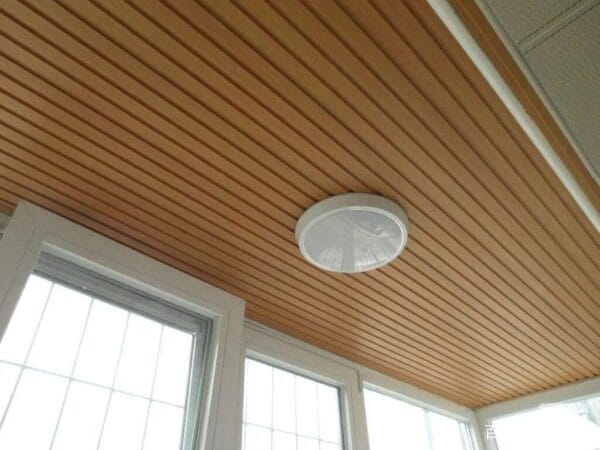
How to Choose the Right Ceiling Material: A Complete Guide to 5 Common Ceiling Types
Choosing the right ceiling material is essential for both the appearance and long-term performance of any building project. Whether you are constructing a new home, renovating a commercial space, or upgrading an office, the ceiling plays a key role in aesthetics, acoustic performance, moisture resistance, and overall durability.
In this guide, we take a closer look at five of the most commonly used ceiling materials, explaining their features, advantages, and ideal application scenarios. By the end of this article, you’ll be able to make a more informed decision for your next project.
Light Steel Keel Ceiling
Light steel keel, also known as a light steel ceiling frame, is a widely used ceiling material made from thin galvanized steel strips that are cold-rolled and pressed into shape. It offers several advantages such as lightweight construction, high strength, fire resistance, good seismic performance, reduced wood usage, easy installation, fast construction, and environmental friendliness.
Light steel keel systems can also be fabricated into various shapes and designs, allowing for diverse architectural and decorative effects to meet different customer needs.
However, it is important to note that light steel keels require professional installation. The system has strict requirements for construction techniques, and improper installation may affect overall stability and ceiling performance.
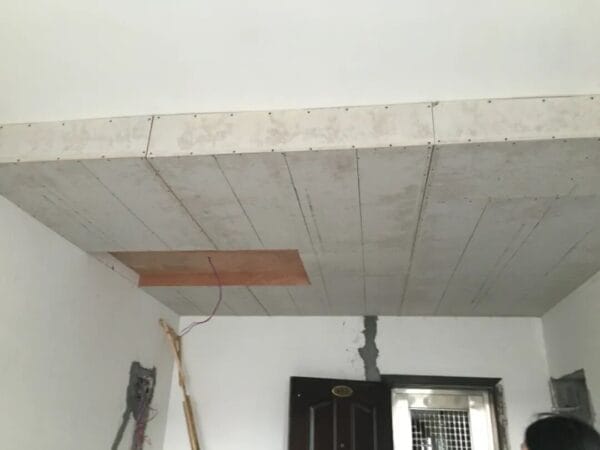
Plywood Ceiling Designs
Plywood ceilings are popular for their lightweight structure, high strength, excellent elasticity and toughness, impact resistance, and vibration resistance. They are easy to cut, shape, paint, and finish, and they also offer good insulation properties.
One of the biggest advantages of plywood ceilings is their flexibility in design. They can be crafted into a wide variety of ceiling shapes—such as curves, circles, geometric patterns, or custom architectural styles—making them ideal for decorative interiors.
However, plywood ceilings also come with certain drawbacks. They are susceptible to termite damage, so proper termite-proof treatment and preventive measures are necessary during installation and maintenance.
Grid Ceiling
Grid ceilings—also known as open cell ceilings—are widely used in commercial environments such as shopping malls, restaurants, offices, and other large public spaces. They are lightweight, fire-resistant, moisture-proof, rust-resistant, easy to install, and environmentally friendly, making them a practical and economical choice for modern interior projects.
Because grid ceilings often house lighting fixtures, HVAC diffusers, ventilation systems, and other equipment, they require careful planning of electrical, plumbing, and mechanical layouts. Proper preparation of the base ceiling structure is also essential to ensure safety, stability, and long-term performance.
In recent years, with the rising popularity of industrial-style interiors, grid ceilings have become a stylish option for homeowners and designers who want to add an open, modern, and visually dynamic look to their spaces.

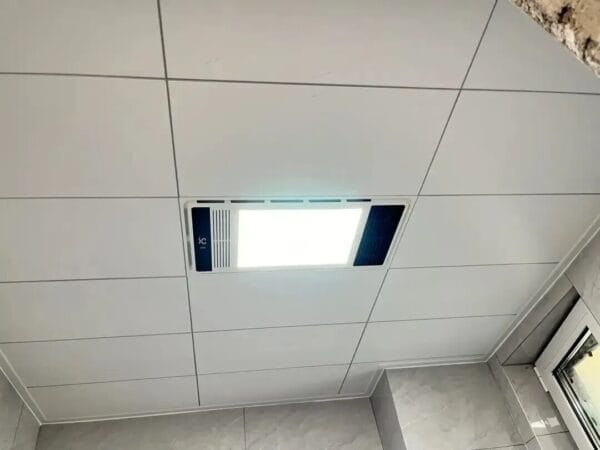
Aluminum Clip-in Ceiling Panels
Aluminum clip-in ceiling panels are widely used in kitchens, bathrooms, and other areas that require moisture-proof and easy-maintenance ceiling systems. These panels are lightweight, waterproof, oil-resistant, fire-resistant, easy to install, and fully removable for maintenance, making them one of the most practical options for wet and semi-wet environments.
However, one thing to note is that aluminum ceilings require regular cleaning. Their surface can easily accumulate dust, grease, and stains over time—especially in kitchen areas—so routine maintenance is necessary to keep the ceiling clean and looking new.
Eco-Wood Ceiling
Eco-wood, also known as WPC (Wood-Plastic Composite), is a synthetic wood ceiling material made by extruding a mixture of wood fibers, resin, and polymer materials. It replicates many of the characteristics of natural wood while offering enhanced durability and stability.
Eco-wood ceiling panels are waterproof, termite-proof, corrosion-resistant, and provide good thermal and acoustic insulation. These qualities make them suitable for long-term use in both indoor and outdoor environments, even in humid, wet, or harsh conditions.
However, it is important to note that the color and grain patterns of eco-wood may differ slightly from natural solid wood. Consumers should consider this when selecting ceiling materials to ensure the visual appearance meets their expectations.